
Facing language barriers on job sites can feel like trying to build a house without all the tools, especially in industries like construction and manufacturing, where safety and efficiency aren't just important but essential.
Tackling these communication hurdles is crucial for staying compliant, building strong teams, and ensuring everyone gets home safely. By embracing innovative strategies and tools, companies can bridge language gaps, boosting both how smoothly things run and the overall safety of the workplace.
In this article, we'll dive into how language differences impact job sites and share practical strategies to overcome them, paving the way for a united and productive workforce.
Understand How Language Barriers Impact Job Sites
Language barriers represent a critical safety challenge in today’s diverse workplace, especially for immigrant and limited‑English‑proficiency workers who are disproportionately employed in higher‑risk jobs and experience higher rates of occupational injury and death.
Foreign‑born workers now make up about 19% of the U.S. civilian labor force, and nearly 70 million U.S. residents speak a language other than English at home, almost one in five people. Together, these trends mean that employers must address language access if they want effective safety training, clear communication, and lower incident rates.
These barriers show up in serious ways. Workers might:
- Struggle to report unsafe conditions effectively
- Misinterpret safety protocols
- Face delays in emergency situations
Beyond physical safety, language gaps can dent psychological safety by reducing trust and stifling open communication, potentially leading to workplace isolation and reduced team cohesion.
The financial implications are substantial. Recent National Safety Council data estimate that workplace injuries cost U.S. businesses about $176.5 billion a year, or roughly $1,080 per worker, including medical expenses, lost wages and productivity, and administrative costs.
Addressing language barriers is a crucial step for maintaining productive and secure job sites, serving both safety needs and operational efficiency.
Apply Strategies to Overcome Language Barriers
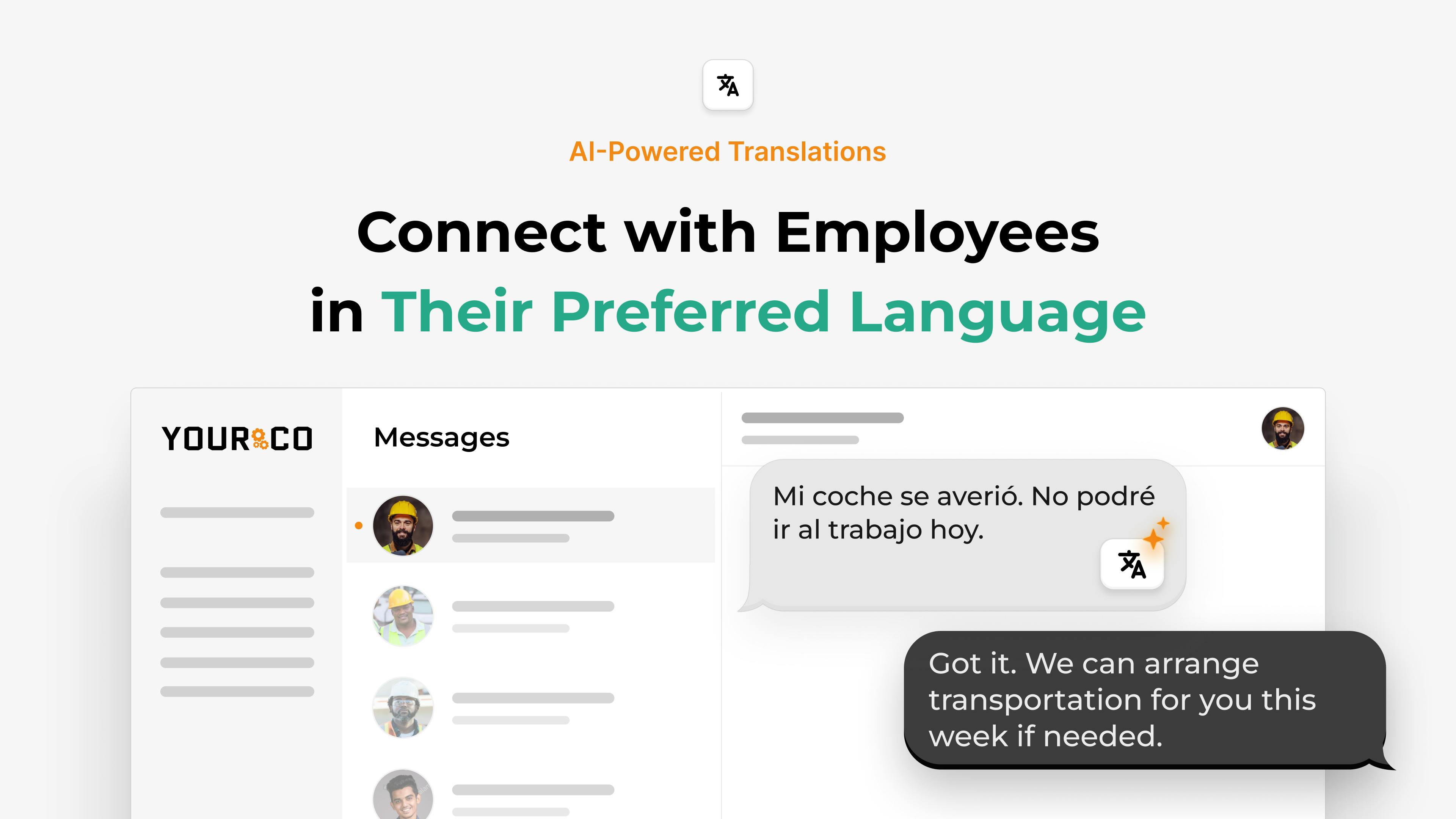
Modern technology offers powerful solutions for bridging language gaps on job sites. Implementing effective communication strategies, such as text-based communication platforms with built-in translation capabilities, allows workers to communicate in their preferred language while ensuring messages are accurately conveyed.
Such systems are particularly effective because text messages have a 98% read rate compared to just 20% for emails, and an average response time of 90 seconds, helping you to communicate with non-English speakers quickly and effectively.
Use Visual Communication Tools
Visual communication tools are essential sidekicks to tech solutions. Using diagrams, infographics, and pictograms to convey safety protocols and operational procedures cuts down on misunderstandings.
For instance, workflow diagrams can illustrate step-by-step processes without relying on written instructions, making them instantly accessible to workers regardless of their language proficiency.
Focus Training on Job-Specific Language
Training programs should zero in on job-specific vocabulary and practical communication needs. Instead of broad language instruction, focus on the terms and phrases that workers use every day.
This targeted approach helps team members quickly pick up the language skills they need most, while peer mentoring programs can reinforce this learning through real-world practice.
Prioritize Clear Documentation
Documentation needs careful attention in multilingual environments. Create bilingual signage for critical safety information and ensure essential documents are professionally translated. When crafting written communications, keep it clear and straightforward. Avoid idioms or complex terms that might cause confusion.
Build Peer Support Systems
Establishing peer support systems can boost the effectiveness of these strategies. Identify bilingual staff members who can act as bridges between teams, but avoid relying on them solely as translators.
Instead, encourage them to help foster an inclusive environment where everyone feels comfortable asking for clarification.
Invest in Cultural Competency Training
Cultural competency training for all employees helps prevent misunderstandings that go beyond language differences. Focus on workplace-specific scenarios and common interactions, helping teams understand how cultural nuances might affect communication styles and work approaches.
Remember, overcoming language barriers takes a mix of these approaches working together, especially when you communicate with non-desk employees. While translation tools in the workplace provide immediate translation capabilities, they shine brightest when paired with clear visual aids, solid training programs, and a culture that encourages open communication across languages.
Enhance Safety Through Effective Communication
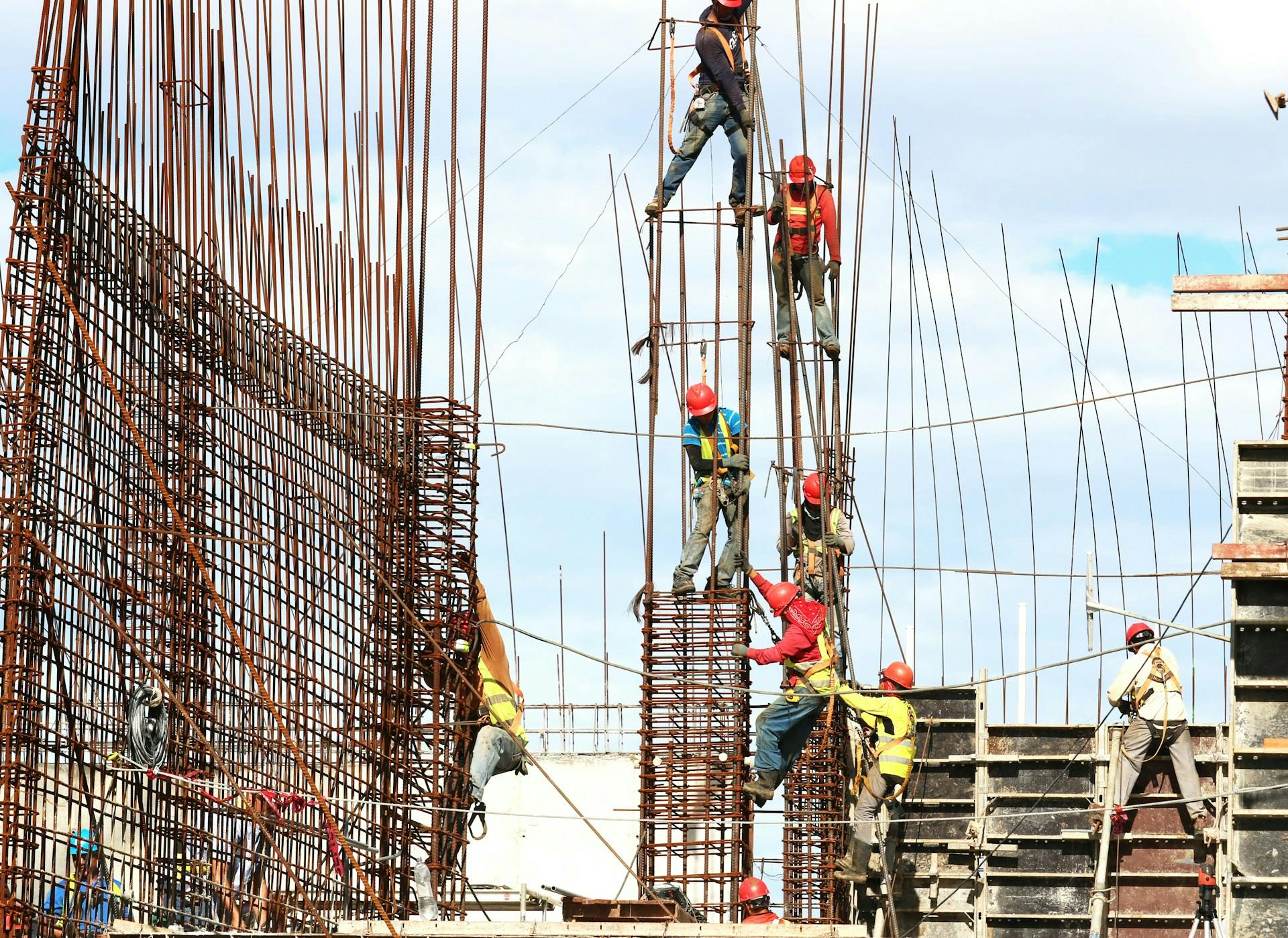
Clear communication is fundamental to workplace safety, yet language barriers pose a significant challenge in today's workforce.
The risks of poor communication are significant. When employees can't effectively report unsafe conditions or misinterpret safety protocols, the chance of accidents skyrockets. Emergency situations become particularly dangerous when language barriers delay response times or muddle evacuation procedures.
To tackle these challenges, exploring solutions for workplace communication can make all the difference:
- Use visual aids and universal symbols alongside written instructions to demonstrate proper safety procedures
- Provide safety training in multiple languages, ensuring all employees receive the same level of instruction
- Create bilingual signage for critical safety information, incorporating internationally recognized safety symbols
- Conduct hands-on demonstrations that transcend language barriers
- Document your workforce's language composition to tailor safety communications effectively
Remember, effective safety communication goes beyond just translation. One-on-one, hands-on training is particularly effective, allowing employees to show their understanding through action rather than words. This approach ensures that safety protocols are not just understood but properly implemented.
By prioritizing clear communication for non-desk employees across language barriers, you create an environment where all employees can work safely and confidently, no matter their primary language.
Investing in safety communication and utilizing translation tools for businesses directly contributes to lower accident rates and better emergency response.
Foster an Inclusive Work Environment
Creating an inclusive workplace goes beyond compliance. Companies with racial and ethnic diversity are 35% more likely to outperform their industry medians in financial returns. The key is building a culture where every employee feels valued and heard, regardless of their background or native language.
Start by investing in cultural competency development across your organization. Encourage team members to learn about different cultural traditions and work styles.
This knowledge helps prevent misunderstandings and builds stronger working relationships. Make it a point to educate yourself about different perspectives and stay informed about global events that might affect your team.
Create opportunities for open dialogue where employees can share their experiences and perspectives safely. Facilitate this through regular team discussions, cultural exchange sessions, or informal gatherings. Actively seeking out diverse viewpoints can lead to innovative solutions to workplace challenges that might not arise from a more homogeneous group.
Celebrate the diversity within your workplace by acknowledging different cultural holidays and traditions. This recognition shows respect for various backgrounds and helps build a more cohesive team environment.
Remember, true inclusion goes beyond simple recognition. It's about creating an environment where different perspectives are actively sought out and valued every day.
Learn From Real-World Language Solution Success Stories
A global manufacturing firm showcased the power of strategic language integration by rolling out comprehensive cross-cultural communication workshops. The initiative united their workforce across continents, resulting in more efficient project delivery and better sharing of best practices between teams. This success highlighted how breaking down language barriers directly boosts operational efficiency.
One of the most data-backed examples comes from McDonald's "English Under the Arches" program. The results were remarkable: 88% of participants remained with the company one year after completing classes, and 75% stayed for two to three years. Even more impressive were the operational improvements, with managers reporting an 87% enhancement in customer service and an 89% increase in store productivity.
Building on these successes, major corporations are taking notice and ramping up their language integration efforts. Walmart and Chobani are leading the Corporate Roundtable for the New American Workforce, an initiative focused on developing best practices for integrating immigrant workers into the workforce.
This collaborative approach to addressing language barriers shows how industry leaders see linguistic diversity as a strategic advantage rather than an obstacle. Overall, investing in language solutions is a smart move that delivers measurable improvements in retention, productivity, and operational efficiency, as these examples demonstrate.
Bridge the Communication Gap with Yourco
Navigating language barriers doesn't have to feel like an uphill battle. Yourco offers an innovative SMS-based communication platform tailored for non-desk workers in industries like construction and manufacturing. With automatic translation features supporting over 135 languages and dialects, Yourco ensures that vital information reaches every team member, no matter their primary language.
Since text messages boast a 98% read rate and an average response time of just 90 seconds, you can trust that important updates and safety protocols get seen and acted upon quickly. The platform works on any phone, including basic flip phones, so no one gets left out of critical communications. Workers don't need to download apps, create accounts, or have reliable internet access. They just receive and respond to texts.
Beyond basic messaging, Yourco enables two-way communication so employees can report safety concerns, ask questions, and provide feedback in their preferred language. Every message is automatically time-stamped and stored, creating a searchable record for audits and compliance reviews.
By leveraging Yourco's user-friendly platform, you can foster a more inclusive and safer work environment where everyone stays connected and informed. Try Yourco for free today or schedule a demo and see the difference the right workplace communication solution can make in your company.
Frequently Asked Questions
How do language barriers affect workplace safety in construction and manufacturing?
When workers can't understand safety instructions, warning signs, or emergency protocols, they're more likely to mishandle equipment, miss hazard warnings, or respond slowly during emergencies.
This risk increases in fast-paced environments where split-second decisions matter. Providing safety communications in workers' native languages significantly reduces these incidents.
What's the most effective way to communicate with multilingual teams on job sites?
SMS-based communication with automatic translation capabilities works best for reaching multilingual teams. Unlike apps that require downloads and internet access, SMS reaches every phone type. Pair text communications with visual aids, bilingual signage, and hands-on demonstrations to reinforce understanding across language groups.
How can I provide safety training to employees who speak different languages?
Focus on job-specific vocabulary rather than broad language instruction. Use visual demonstrations, diagrams, and hands-on practice sessions that transcend language barriers. Provide written materials translated into all languages spoken by your workforce, and consider hiring multilingual trainers or interpreters for in-person sessions.
SMS platforms with automatic translation can deliver safety reminders and training follow-ups in each worker's preferred language.
What are the business benefits of investing in multilingual communication?
Organizations implementing multilingual strategies typically experience reduced workplace accidents, lower turnover, improved productivity, and stronger team cohesion. The return on investment often exceeds the initial costs within the first year.
How do I choose the right translation tools for my workforce?
Look for platforms designed specifically for workplace communication rather than general consumer translation apps. Key features to prioritize include context-aware translations that understand industry terminology, automatic language detection based on employee preferences, support for the specific languages your workforce speaks, and the ability to reach workers without smartphones or reliable internet.
SMS-based platforms with built-in translation work well for construction, manufacturing, and logistics teams.