When maintenance workers rely on outdated paper binders or hard-to-access filing cabinets for lockout/tagout procedures, delays become dangerous. The Occupational Safety and Health Administration (OSHA) estimates that proper Lockout/Tagout (LOTO) procedures prevent 120 fatalities and 50,000 injuries annually. The good news is that digital delivery methods now make it possible to get the right procedure to the right worker at the right moment. This guide walks you through seven practical steps to deliver LOTO procedures to your maintenance team instantly.
This information is for general awareness only. For specific compliance guidance, consult with qualified legal professionals.
TL;DR
- Digitize paper LOTO procedures into cloud-based, mobile-accessible formats so workers always have current instructions.
- Place QR codes on equipment, for instance, point-of-use procedure access on the shop floor.
- Use SMS-based push notifications, like those from Yourco, to alert workers the moment procedures change or emergencies arise.
- Implement digital checklists with e-signatures to create timestamped audit trails for compliance.
- Integrate LOTO procedures with maintenance scheduling so workers automatically receive the right steps for each task.
- Set up offline-accessible libraries for areas with limited connectivity.
- Reinforce compliance with quick, text-based training drills delivered directly to workers' phones.
Step 1: Digitize Lockout/Tagout Procedures for Instant Mobile Access
The foundation of instant procedure delivery starts with moving your LOTO documentation from paper to digital formats. Cloud-based platforms let workers access machine-specific procedures on mobile devices. According to Rockwell Automation's ScanESC platform, these systems provide real-time data synchronization, enabling you to create, store, and distribute procedures that automatically sync across all devices.
Digitized LOTO procedures eliminate accessibility barriers so workers always have the right procedure when they need it. Automatic version control ensures everyone follows current procedures without manual distribution, and centralized management simplifies updates across multiple facilities and equipment types.
These capabilities transform LOTO procedure management from an administrative burden to a streamlined safety system. When implementing this approach, account for the upfront time investment to inventory and convert existing paper procedures. Staff typically need training on the new digital system before full deployment.
OSHA's LOTO standard (29 CFR 1910.147) identifies failure to follow accessible written procedures as a primary cause of injury. Digital delivery ensures instant access across operations.
Step 2: Use QR Codes on Equipment for Immediate Procedure Pull-Up
Once your procedures are digitized, QR codes transform how workers access them on the shop floor. You place durable QR code labels directly on equipment, and each code links to that specific machine's LOTO procedure. When a worker scans the code with a smartphone or tablet, they immediately see step-by-step instructions tailored to that exact piece of equipment.
This approach provides point-of-use access, eliminating time spent locating paper procedures. Automatic version control means workers always follow current procedures without checking for updates. In manufacturing environments with hundreds of machines, QR codes deliver scalable procedure delivery that paper systems cannot match.
Successful implementation requires durable, industrial-grade QR labels that withstand harsh manufacturing environments. Workers also need access to smartphones or tablets with camera capability.
Step 3: Send Push Notifications to Alert Workers Instantly
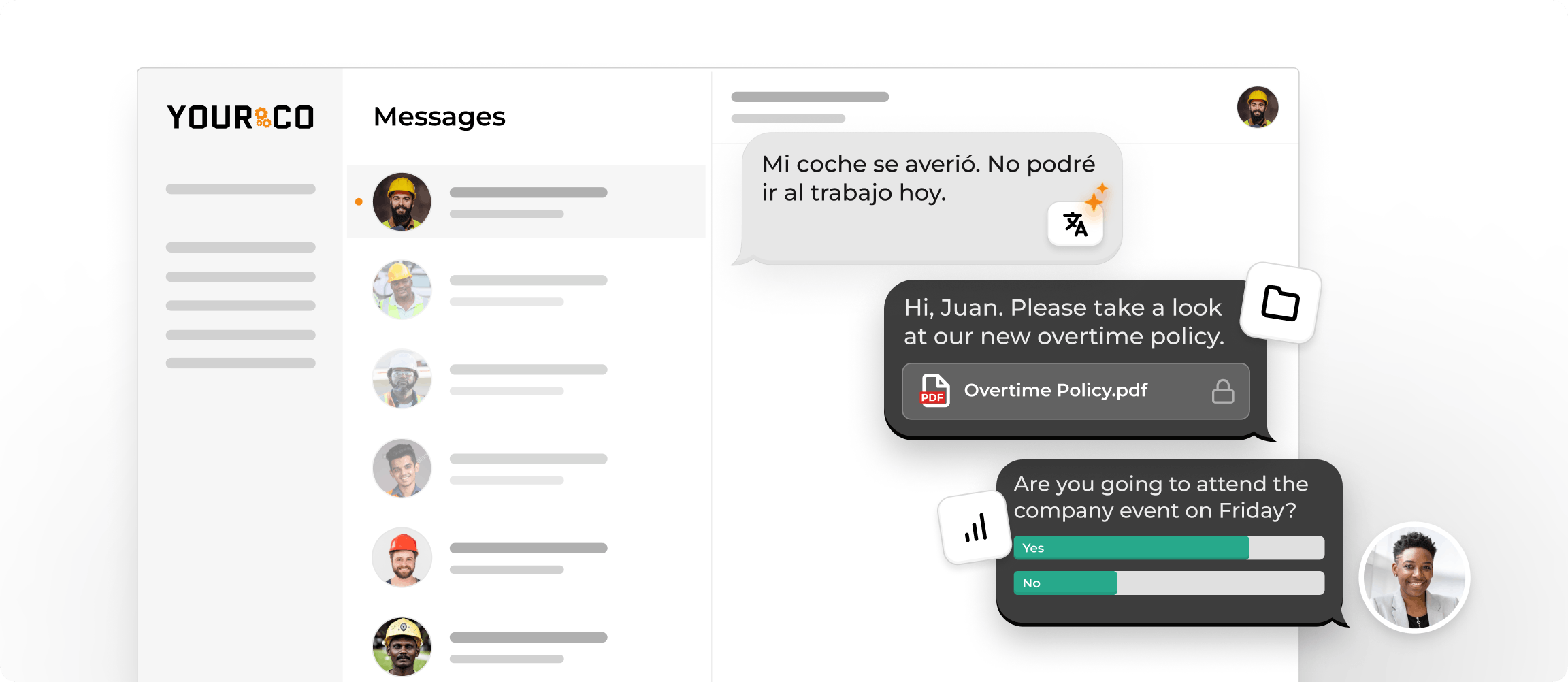
Getting procedures into a digital system solves the storage problem, but you also need a way to push critical updates directly to workers. SMS-based communication is the most reliable way to reach frontline maintenance workers instantly. Unlike apps that require downloads and logins, text messages reach any mobile phone and deliver messages directly.
This direct communication channel cuts through the noise of email and other platforms that frontline workers rarely check. Effective implementation requires collecting and maintaining accurate phone numbers for all maintenance staff. Message length limitations may require linking to more detailed procedure documents, but the instant notification capability ensures workers know when critical information is available.
Effective push notification systems typically handle procedure updates when LOTO requirements change, emergency alerts requiring immediate response, training reminders when certifications approach expiration, and equipment status changes that affect lockout requirements.
Step 4: Create Shareable Digital Checklists With E-Signatures
Effective compliance documentation typically involves more than just delivering procedures. Digital checklists with electronic signatures provide verification while eliminating paperwork bottlenecks. Workers follow the procedure on their mobile device and authenticate each step electronically, creating timestamped records that document exactly who did what and when.
These systems eliminate the compliance gaps that paper documentation inevitably creates. Effective electronic signature systems typically include audit trail requirements. Workers may need initial training on digital authentication methods to ensure smooth adoption.
Many employers structure their LOTO checklists to cover all steps outlined in OSHA's lockout/tagout standard, including energy source identification, employee notification, equipment shutdown verification, energy isolation confirmation, lockout device application, stored energy release verification, procedure effectiveness testing, and electronic signature capture. Clear, consistent delivery of safety protocols makes all the difference.
Step 5: Integrate Lockout/Tagout Procedures With Maintenance Scheduling
Connecting your LOTO procedure delivery to maintenance work orders creates a seamless workflow in which workers automatically receive the relevant procedures when assigned to tasks. This integration provides automatic procedure matching that reduces errors by linking the correct LOTO procedure to each work order, while training verification confirms workers hold current authorization before task assignment.
Successful integration requires coordination between safety, maintenance, and IT teams. Existing CMMS or work order systems may need configuration updates, but the investment pays off through equipment history tracking, compliance reporting, and scheduling optimization that accounts for lockout/tagout duration.
Step 6: Set Up Offline-Accessible Procedure Libraries
Manufacturing environments often include areas with limited connectivity, making offline access essential for the reliable execution of procedures. Offline-capable systems provide uninterrupted access regardless of WiFi availability, with complete data capture offline and automatic synchronization when connectivity returns.
Treating disconnected operation as the normal state rather than an exception produces more reliable systems for industrial environments. Implementation teams need to address how systems handle data conflicts when multiple offline changes sync simultaneously. Workers also need to download procedures before entering areas with limited connectivity.
The most practical pattern involves three phases: workers download required procedures before entering limited-connectivity areas, complete the lockout and capture compliance data offline, then synchronize data when they return to connected zones.
Step 7: Reinforce Compliance With Instant Training Drills
Digital LOTO platforms can be complemented by targeted safety communications to reinforce compliance knowledge. Rather than annual classroom sessions, delivering short training drills directly to workers' phones maintains awareness year-round.
Continuous reinforcement keeps safety procedures top of mind between formal training sessions. Immediate updates when procedures change ensure that workers always have the most up-to-date information. Training communications work best when they supplement, rather than replace, hands-on procedure verification, and message frequency should balance awareness with the need to avoid notification fatigue.
The table below outlines the most effective digital training delivery methods and their practical applications.
OSHA's guidelines call for periodic inspections that include direct observation of workers performing LOTO procedures. Digital systems help ensure workers always have access to current procedures while maintaining compliance documentation.
With LOTO violations seeing a significant increase in citations in fiscal year 2024 and over $12 million in penalties, organizations face significant compliance pressure. Many serious accidents in manufacturing stem from uncontrolled energy release during maintenance, making the digital delivery of procedures a safety priority.
Implementation Checklist for Instant LOTO Procedure Delivery
Use this checklist to track your progress as you move from paper-based LOTO procedures to instant digital delivery. Each category covers one phase of the rollout, so your team can work through them sequentially or assign sections to different departments.
Procedure Digitization
- Paper procedures digitized
- Energy sources are documented for each equipment piece
- Step-by-step isolation sequences created
- Required lock/tag configurations specified
- Verification procedures included
Infrastructure Setup
- QR codes affixed to all equipment
- Mobile devices deployed with cloud synchronization
- Offline capability implemented
- WiFi coverage verified
Compliance Documentation
- Electronic signature system implemented
- Training records integrated
- Periodic inspection scheduling automated
- Historical data access confirmed
Worker Adoption
- Pilot program completed
- Feedback incorporated
- Training completed on digital access methods
- Champion network established
Reach Every Maintenance Worker Instantly With Yourco
Delivering LOTO procedures instantly requires communication channels that actually reach your entire maintenance workforce. Many maintenance workers lack company email addresses and work in environments where traditional communication methods fall short.
Yourco solves this challenge through SMS-based communication that reaches any mobile phone. Messages arrive as standard texts without requiring downloads, accounts, or internet access. With AI-powered translation into 135+ languages and dialects, every worker receives critical safety information in a language they understand. Targeted messaging by location, department, or shift ensures the right LOTO updates reach the right crews, and two-way communication allows workers to confirm receipt, ask questions, or report issues directly.
Every message is automatically time-stamped and stored, creating a searchable compliance record for audits without extra paperwork. After 90 days on Yourco, companies see two-way employee engagement reach 86%, meaning safety updates and procedure changes are acknowledged and acted on.
"Yourco has been huge for us, especially during the weather crisis. It is such a fast and easy way to communicate with everyone. We were able to keep our employees safe and make sure everyone was notified of updates in a timely manner. It could not have been built any easier for the end user."
— Scott Pfantz, Operations Manager, Nufarm
Try Yourco for free today or schedule a demo and see the difference the right workplace communication solution can make in your company.
Frequently Asked Questions about Lockout/Tagout Procedures to Maintain Workers
What makes SMS more effective than apps for delivering LOTO procedures to maintenance workers?
SMS reaches any mobile phone without requiring downloads, app installations, or reliable internet connections. Many maintenance workers use basic phones or lack company-issued smartphones that can run dedicated apps. Text messages are delivered directly, without requiring portal or email logins, making them more reliable for safety-critical communications.
How do I keep LOTO procedures accessible in areas without connectivity?
Implement offline-first systems that allow workers to download required procedures before entering areas with limited connectivity. Workers complete the lockout and capture all compliance data locally, then synchronize when they return to connected zones. This approach treats disconnected operation as normal rather than exceptional.
What documentation do I need to satisfy OSHA inspectors during a LOTO audit?
Many organizations configure their digital systems to maintain timestamped records of every lockout event, including which worker performed the procedure, which steps they completed, and authenticated electronic signature verification. Many employers also maintain documented periodic inspections that include direct observation of workers performing procedures and current training records showing worker authorizations.
How can I encourage maintenance workers to adopt digital LOTO tools?
Start with a pilot program involving respected maintenance workers who can champion the new system. Address concerns directly, demonstrate how digital access saves time compared with searching through binders, and incorporate worker feedback before full rollout. Demonstrating clear benefits, such as faster access to procedures, builds adoption momentum.
How often should I update digital LOTO procedures?
Update procedures immediately whenever equipment changes, energy sources are modified, or inspections reveal gaps. Cloud-based systems enable instant updates that automatically propagate to all devices. Many organizations also schedule periodic reviews of all procedures to verify accuracy and incorporate lessons learned from near-misses or incidents.