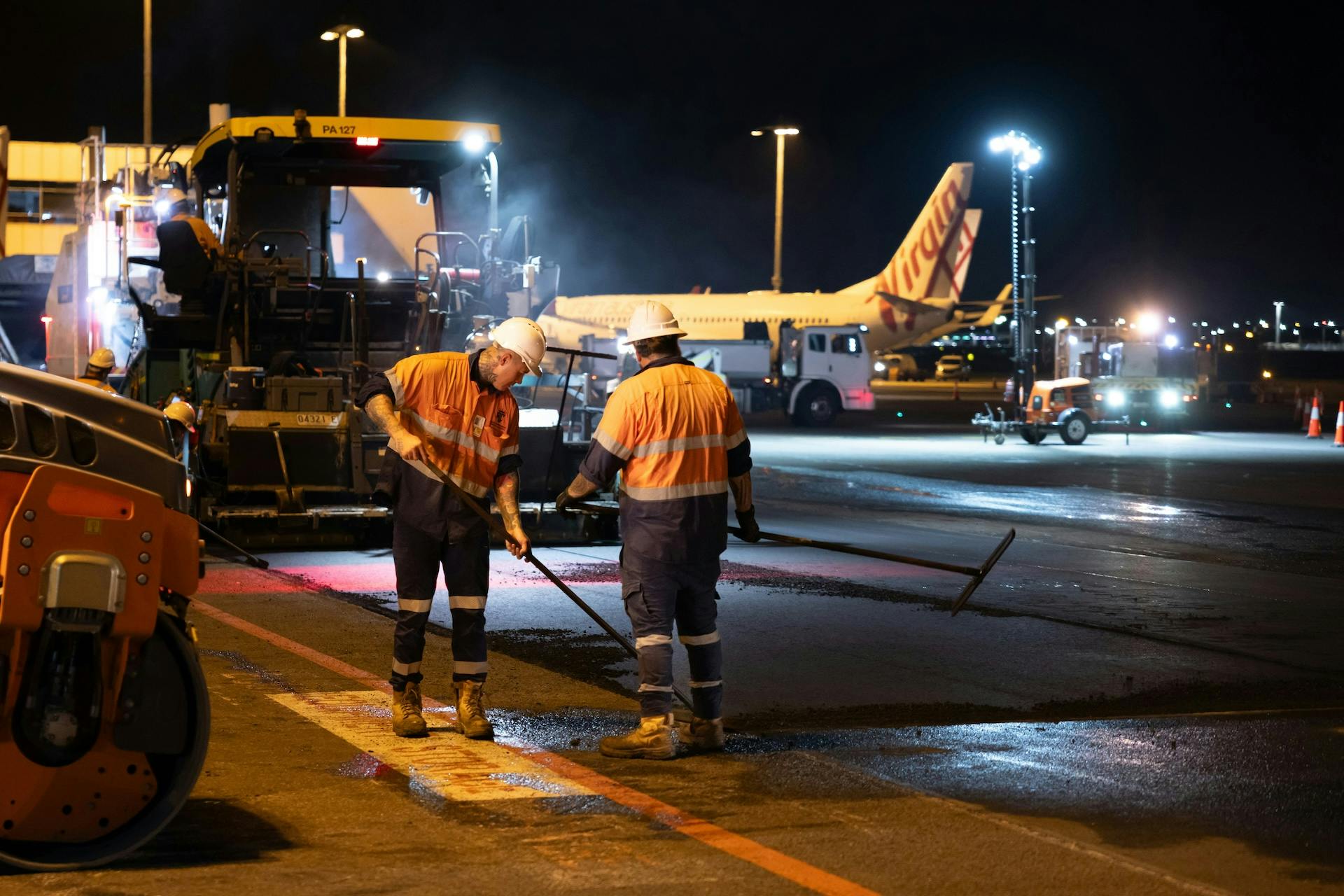
It’s 2 AM, and a problem hits your operation. A machine fails, a pipe bursts, or a shift suddenly needs coverage. The night team needs answers, but the people who usually provide them are offline. By the time messages get seen, the damage is already done.
Night shifts expose communication gaps that daytime tools don’t handle well. Messages sit unread, urgent updates arrive too late, and overnight teams are left to figure things out on their own. This article explains what makes night shift communication different, why common tools fall short, and which messaging systems actually work after hours.
Recognize Why Night Shifts Create Unique Communication Challenges
Night shifts break most daytime communication assumptions.
The main challenge is timing. Managers and employees work opposite hours, creating a gap where direct communication becomes nearly impossible. A supervisor who leaves at 5 PM won't see messages from the night crew until 8 AM the next day. By then, whatever needed attention has either been handled without guidance or has grown into a bigger issue.
Urgent issues don't wait for convenient hours. Equipment failures, staffing emergencies, safety incidents, and customer escalations all happen overnight. When leadership is offline, night shift workers either make decisions without input or wait for answers that won't come until morning. Neither option is ideal.
Safety risks increase at night. Fatigue affects alertness, and fewer people are around to catch mistakes or respond to hazards. When critical safety updates don't reach overnight teams quickly, the window for preventing incidents shrinks. Schedule changes announced during the day may never reach someone who clocks in at 10 PM.
Night shift workers also have limited time and energy to chase information. After working eight hours while the rest of the world sleeps, no one wants to log into multiple systems, scroll through long messages, or hunt for updates buried in email threads. Communication that requires effort often gets skipped.
Beyond logistics, night shift employees often struggle with visibility and recognition. They are more likely to feel forgotten by leadership, miss company-wide updates and acknowledgments, and feel disconnected from the broader team culture. Over time, that sense of being out of sight and out of mind can erode engagement just as much as missed messages or delayed responses. For strategies to combat that disconnect, explore our guide on how to monitor employee sentiment and improve engagement across every shift — including the crews that leadership rarely sees in person.
Avoid Using Email and Intranet Tools for Night Shift Communication
Email works well for asynchronous communication during business hours, but it falls short for overnight teams. Open rates drop significantly outside of work hours. An email sent at 11 PM might not be opened until the next morning, long after the information was relevant. For time-sensitive updates, that delay can be costly.
Intranet portals and internal communication platforms share similar limitations. They require employees to actively check them, which rarely happens during a busy overnight shift. Important announcements get buried under older content, and there's no way to know whether anyone actually saw the update.
These tools also create documentation gaps for urgent overnight situations. When a manager needs to know exactly when a message was delivered, who saw it, and who responded, email threads and portal posts don't provide clear answers. For compliance-sensitive industries, this lack of visibility creates risk.
Use SMS-Based Messaging to Close Night Shift Communication Gaps
SMS works especially well for night shift communication because it avoids the limitations of office-based tools:
- Messages reach workers immediately: Texts arrive in real time whether someone is on a production floor, in a truck, or away from a desk. Most people read SMS messages within minutes, even overnight.
- Scheduled messages reduce missed shifts: Managers can schedule reminders, coverage requests, and shift changes to send at the right time without staying awake. This helps prevent no-shows and reduces confusion during day-to-night handoffs.
- No apps, logins, or internet required: Every mobile phone supports SMS. Workers receive messages on the devices they already use, with no setup, downloads, or technical barriers.
- Clear visibility and documentation for managers: SMS systems show delivery status and responses, so managers know who received updates and when. This creates a reliable record for handoffs, incident reviews, and compliance needs.
Apply Messaging to Real Night Shift Scenarios
Effective night shift messaging handles the situations that actually arise after hours. Here are some examples:
- Manufacturing: Shift change alerts ensure incoming workers know about equipment issues, safety concerns, or production targets before they start. A quick text about a machine running hot saves time troubleshooting and prevents unexpected downtime.
- Logistics: These operations deal with constant variables like delayed shipments, route changes, weather disruptions. When a delivery window shifts at midnight, drivers need to know immediately. Text messages reach them on the road without requiring them to stop and check a computer.
- Facilities emergencies: A burst pipe, power outage, or security breach requires getting the right people informed and mobilized within minutes. SMS cuts through the noise and reaches everyone simultaneously, even when they're scattered across a large property.
- Safety incident reporting: Workers can text a description and attach a photo directly from any phone. No forms, no logins, no waiting until morning to document what happened. Quick confirmation messages, a simple "received" or "on my way," give managers visibility without lengthy back-and-forth. For a complete walkthrough of building this kind of streamlined reporting process, read our guide on how field workers can report safety incidents quickly from any location.
Support Multilingual Night Shift Teams Without Extra Work
Overnight teams often include workers from diverse language backgrounds. When communication depends on bilingual supervisors to translate, and those supervisors aren't available at 2 AM, messages don't get through.
Manual translation creates delays that matter even more at night. Waiting for someone to translate a safety alert defeats the purpose of sending it urgently. Important nuances get lost when messages pass through multiple people before reaching their intended audience.
Messaging systems with automatic translation solve this problem. Managers write one message, and each employee receives it in their preferred language instantly. Everyone gets the same information at the same time, regardless of what language they speak. This consistency improves safety, reduces confusion, and ensures no one is left out because of a language barrier.
Keep Night Shifts Connected With Yourco
Night shift communication doesn't require complex technology or expensive infrastructure. It requires reaching people through channels that work at any hour, and on any device. The right messaging system fits into how overnight teams already operate instead of forcing them to adapt to office-based tools.
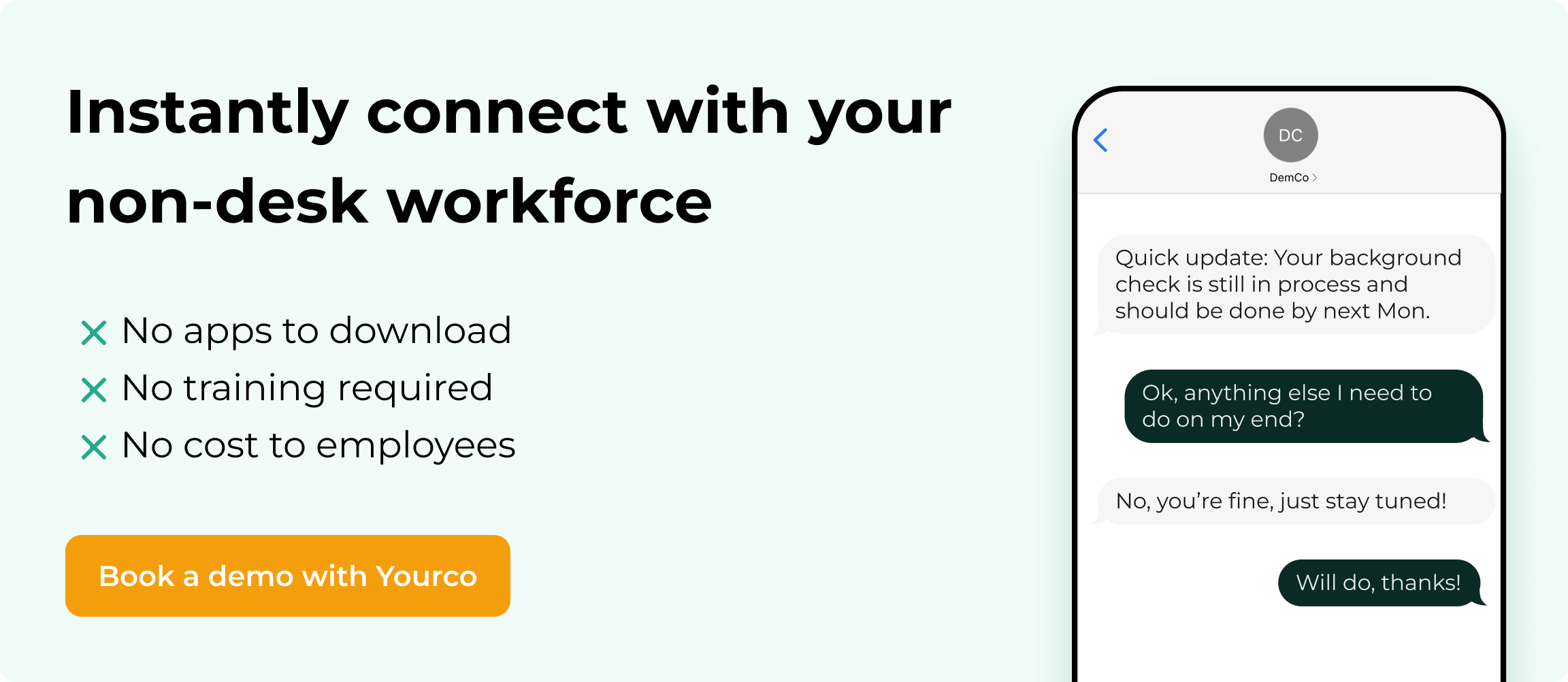
Yourco provides a solution. The platform delivers messages via SMS, so employees receive updates on phones they already carry, with no apps or internet required. Two-way messaging lets managers get confirmations and responses, not just hope that messages were seen. Automatic translation in over 135 languages and dialects ensures every team member receives information in the language they understand best. Every message is logged and trackable, giving managers visibility into overnight communication.
Whether you're coordinating manufacturing shifts, managing logistics teams, or running 24-hour facilities, Yourco keeps your night shift connected with the same reliability and reach as your daytime operations. No extra effort required from tired, busy workers, just messages that arrive and get read.
Try Yourco for free today or schedule a demo and see the difference the right workplace communication solution can make in your company.
Frequently Asked Questions
What is the best way to reach employees working overnight?
SMS text messaging consistently outperforms other channels for overnight communication. Text messages arrive immediately, get read within minutes, and work on any mobile phone. Unlike email or app-based tools, SMS doesn't require employees to actively check a platform or be connected to the internet.
How do managers confirm night shift workers received critical updates?
Two-way messaging systems allow employees to send quick confirmations like "received" or "understood." Managers can view delivery reports and response logs through a centralized dashboard, providing clear documentation of who saw what and when, even for messages sent at 3 AM.
Can night shift communication work without apps or email?
Yes. SMS-based communication works on any mobile phone, including basic flip phones, without requiring app downloads, email accounts, or internet access. Employees receive standard text messages that work exactly like any other text they'd receive from friends or family.
How do companies handle language differences on overnight shifts?
Workforce communication platforms with automatic translation let managers send one message that employees receive in their preferred language. This eliminates delays from manual translation and ensures consistent information reaches everyone simultaneously, regardless of language background.
What types of messages matter most during night shifts?
The most critical night shift messages include safety alerts, schedule changes, equipment issues, staffing updates, and emergency notifications. Quick confirmation requests, such as asking workers to acknowledge receipt of important information, also help managers maintain visibility into overnight operations.