
Effectively managing operations across multiple sites has become more challenging than ever for companies spanning various locations. Understanding how to communicate and coordinate with frontline workers dispersed over different facilities impacts productivity and engagement directly. As businesses operate across multiple physical sites, the complexity of keeping distributed teams connected continues to grow.
Understand Multi-Locational Operations: Definition and Importance
Multi-locational operations refer to businesses that operate across multiple physical sites, managing distributed teams of workers who may be spread across different facilities, regions, or time zones. In manufacturing and similar industries with high concentrations of non-desk workers, up to 80% of the global workforce works away from traditional desk environments.
Managing your multi-location operations matters because disconnected teams risk decreased efficiency and higher turnover rates. Without clear communication, your dispersed teams become isolated, which leads to confusion, missed updates, and operational slowdowns. Such operations can be categorized by various factors, including work duration (long-term vs. short-term), location type (on-site vs. off-site), and level of customer interaction.
The challenge lies in creating systems that accommodate diverse worker needs while maintaining consistent communication across all locations. When your teams work across different shifts, facilities, and time zones, every message needs to reach the right people at the right time.
Key Challenges in Multi-Locational Communication
Managing communication across multiple locations presents unique obstacles, especially when dealing with frontline workers. Here are the most significant challenges.
Limited Access to Traditional Communication Tools
Many deskless workers have restricted computer access during work hours, making traditional methods like email and intranets ineffective. Manufacturing floor workers, warehouse staff, and field technicians often can't check company communications during their shifts, leading to information gaps and delayed responses to important updates.
Scheduling and Time Zone Complexities
Irregular schedules make it difficult to coordinate communication across different shifts and time zones. When managing facilities across multiple locations, this challenge intensifies as you try to ensure important messages reach everyone, regardless of their work schedule. Scheduling texts helps overcome these challenges by delivering messages at optimal times for each shift.
Breakdown in Information Flow
The lack of face-to-face communication creates barriers in information dissemination. Critical updates, safety protocols, or operational changes may not reach all employees consistently, leading to confusion and potential compliance issues. Communication breakdowns prove particularly problematic in manufacturing environments where safety and procedural updates matter most. Creative communication methods can help bridge these gaps.
Cultural and Language Barriers
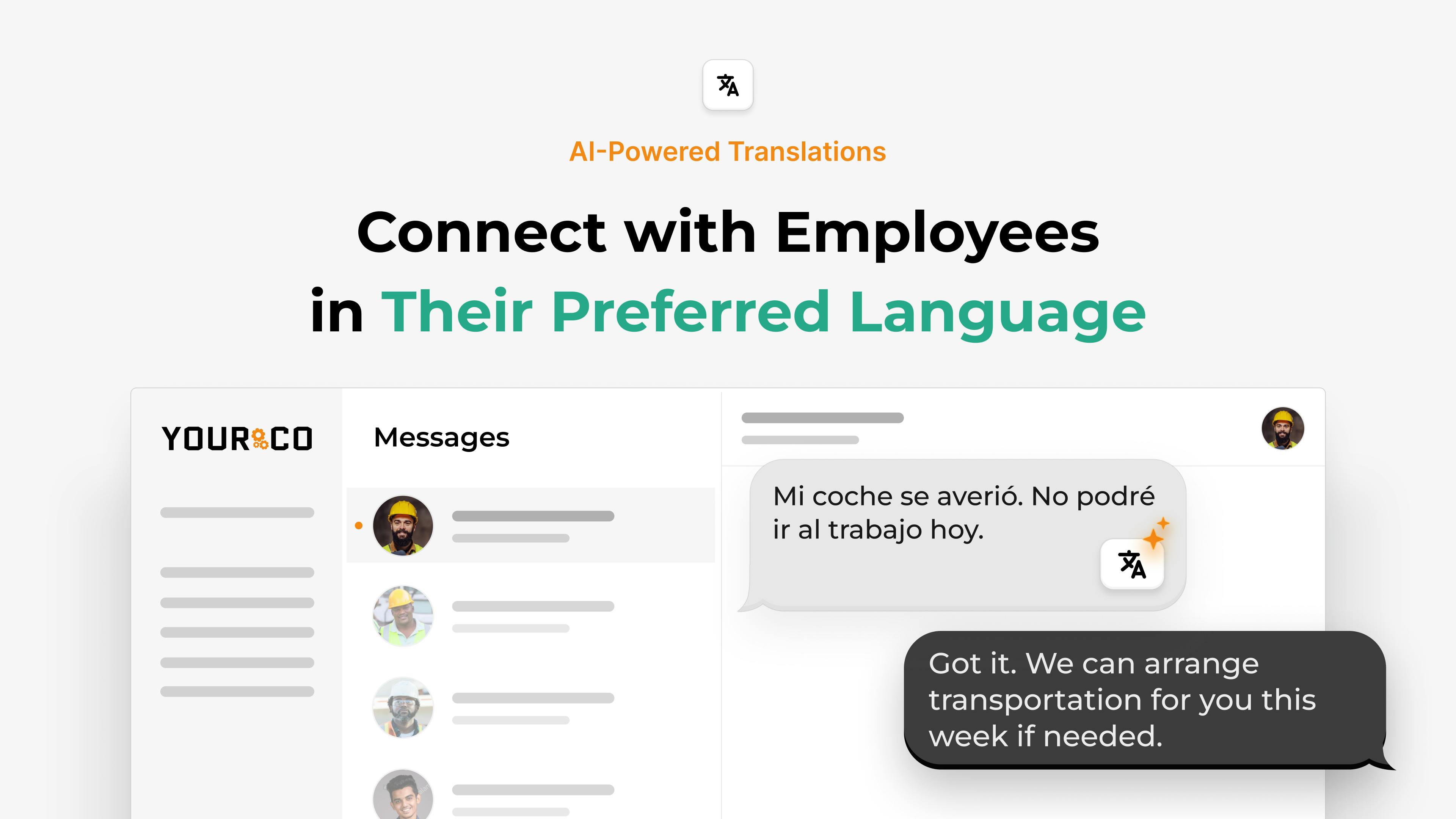
Multi-location operations often mean diverse workforce demographics with varying cultural backgrounds and language preferences. Workforce diversity, while valuable, can lead to misunderstandings if not properly addressed. Safety instructions or operational procedures may be misinterpreted due to language barriers. Overcoming language barriers requires providing translations and culturally sensitive communication.
Technology Adoption Challenges
With five generations in today's workforce, there's a wide variance in technology comfort levels. While younger workers expect modern digital tools, others might resist new communication technologies. This disparity creates additional complexity in implementing standardized communication systems across multiple locations.
By understanding these challenges, you can better strategize your approach to multi-location communication, ensuring that all workers, regardless of their location or role, remain connected and informed.
Best Practices for Multi-Locational Communication
Managing communication across multiple locations requires a strategic approach. Mobile apps often fall short due to the barriers they create for frontline workers.
Recognize Why Traditional Solutions Fall Short
Traditional communication methods and mobile apps present several challenges:
- Employees resist downloading new apps or forget passwords
- Limited data plans restrict access to company information
- Email-based solutions miss 80% of their audience
- Generic broadcasting tools create communication clutter
- One-size-fits-all approaches ignore location-specific needs
Effective Communication Strategies
To successfully manage multi-location communication, implement these proven practices:
Opt for SMS-Based Communication
Text messaging proves most effective, with 98% read rates. SMS requires no downloads, training, or data usage, making it instantly accessible to your entire workforce. Multiple texting use cases show how SMS communication improves operational efficiency. When comparing texting vs email, SMS transforms your communication strategy.
Establish Clear Channel Hierarchy
Define specific channels for different types of communication. Send emergency alerts through SMS for immediate attention. Route location-specific updates from local managers. Structure company-wide announcements through broadcasts.
Enable Two-Way Communication
Create feedback loops that allow employees to respond to messages directly, participate in surveys and polls, share concerns with management, and provide input on local issues. Internal text communication enables these conversations.
Implement Location-Specific Management
Allow local managers to send personalized, relevant messages to their teams, maintain location-specific communication protocols, address unique cultural and operational needs, and scale communication as locations grow. Setting permissions appropriately ensures local managers have the access they need to communicate effectively with their teams.
Maintain Message Relevance
Keep communications brief and action-oriented, relevant to specific locations, translated into preferred languages, and timed appropriately for different shifts.
By focusing on these practices and utilizing SMS-based solutions, you can maintain strong connections with your multi-location workforce while avoiding the common pitfalls of traditional communication methods.
Tools and Technologies for Multi-Locational Success
Managing multiple locations effectively requires non-desk communication tools that reach every worker, regardless of their position or access to technology.
Prioritize Inclusive Communication Tools
Look for an enterprise texting platform that offers security features while maintaining ease of use. Security and accessibility considerations matter most when implementing these tools. Research shows that the most successful implementations prioritize user-friendly interfaces that require minimal training, ensuring high adoption rates across all locations.
Focus on Security and Accessibility
When selecting your technology stack, focus on tools that can scale with your organization while maintaining consistent communication quality across all locations. Choosing the right text platform affects your success. The right combination of these technologies can significantly improve your operational efficiency and employee engagement, particularly with a distributed, non-desk workforce.
Measure and Improve Multi-Location Communication
To ensure effective communication across multiple locations, you need both quantitative and qualitative measurement approaches.
Combine Quantitative and Qualitative Measurements
Research from Gallup shows that companies with engaged employees outperform others by 202%, making it necessary to track and improve your communication effectiveness.
Track quantitative metrics like message open rates, response times, and participation rates in surveys and polls. Monitor your communication platform's usage patterns across different locations to identify gaps or areas where engagement drops. Pay attention to operational KPIs that can be influenced by communication effectiveness, such as productivity rates and safety incident reports.
Implement Regular Feedback Mechanisms
For qualitative assessment, implement regular pulse surveys to capture real-time feedback about communication clarity and effectiveness. Effective feedback mechanisms help engage frontline workers, ensuring they feel heard and valued. Conduct location-specific focus groups and one-on-one check-ins between your managers and employees.
Turn Insights into Action
Transform these insights into action by adjusting communication frequency and timing based on engagement data, tailoring message formats to location-specific preferences, implementing location-specific improvements based on feedback, training your local managers on communication best practices, and creating feedback loops where your employees see their input leading to concrete changes.
Remember to analyze trends across locations to identify both common challenges and location-specific issues that need addressing.
Connect Your Multi-Location Teams with SMS Communication
Managing communication across multi-location manufacturing facilities doesn't have to be overwhelming. By acknowledging the unique challenges and adopting effective employee communication strategies through SMS-based solutions, you can keep your frontline teams connected, informed, and engaged.
Yourco brings all of this together in one place. It delivers instant text messages to every employee, keeps conversations searchable for audits, and removes the adoption barriers that slow down traditional tools. With AI-powered translations in 135+ languages and dialects, Yourco makes sure every worker receives messages in the language they prefer, helping teams avoid misunderstandings and stay aligned even when sites operate across different regions or shifts.
Alongside easy two-way texting, enterprise-grade security, and integrations with more than 240 HR and payroll systems, our platform gives managers a simple way to reach their teams, gather feedback, and keep everyday operations running smoothly.
Try Yourco for free today or schedule a demo and see the difference the right workplace communication solution can make in your company.
Frequently Asked Questions
How do you communicate effectively across multiple locations?
Effective communication across multiple locations requires using channels that reach all employees regardless of their access to traditional tools. SMS-based communication proves most effective because it requires no downloads, works on any phone, and achieves 98% read rates. Establish clear communication hierarchies, enable two-way messaging, and allow local managers to send location-specific updates while maintaining consistent messaging across all sites.
What are the biggest challenges in multi-location communication?
The biggest challenges include limited access to traditional communication tools for non-desk workers, scheduling complexities across different shifts and time zones, breakdowns in information flow due to a lack of face-to-face interaction, cultural and language barriers in diverse workforces, and varying levels of technology adoption across different generations. These challenges require solutions specifically designed for non-desk environments.
How can I ensure my multi-location employees receive important updates?
Use SMS-based communication to ensure updates reach employees instantly on devices they already carry. Schedule messages to align with different shift times and time zones. Enable automatic translations for multilingual workforces. Track delivery and response rates to confirm messages are received. Avoid relying on email or apps that require downloads, as these methods miss the majority of frontline workers.
What metrics should I track for multi-location communication effectiveness?
Track both quantitative and qualitative metrics. Quantitative measures include message open rates, response times, survey participation rates, and platform usage patterns across locations. Qualitative measures include feedback from pulse surveys, location-specific focus groups, and one-on-one manager check-ins. Monitor how communication impacts operational KPIs like productivity rates, safety incidents, and employee retention across different locations.