

Hospitality moves fast. One missed update can slow room turnovers, stretch wait times, or push teams into overtime. Every shift produces patterns that show where communication lags, which departments struggle with staffing, and how training or safety gaps start forming long before guests feel the impact.
Workplace analytics turn those daily touchpoints into clear indicators of performance, giving you the numbers you need to prevent delays, support your teams, and keep operations running smoothly across every department.
7 Most Valuable Workplace Analytics Metrics for Hospitality
You need clear numbers to spot where service stalls, staff feel stretched, or guests wait too long. The most effective data illuminates staffing patterns, communication lags, safety risks, and hand-offs between departments so you can fix problems before guests notice. Here are the metrics that deliver immediate insights:
1. Attendance and Punctuality Patterns
When housekeepers arrive late for the first shift, rooms stay dirty longer, and check-in lines grow. Focus on absence frequency, late arrivals by role, call-off patterns, and overtime spikes that cover no-shows. Look at trends instead of single days. If the morning housekeeping crew posts a higher late rate than the afternoon crew, you can adjust start times or arrange rides.
Hospitality teams deal with regular call-offs and last-minute changes, so spotting attendance patterns early through an employee attendance tracker helps managers keep wages accurate and maintain steady service levels.
2. Shift Coverage and Staffing Alignment
Understaffing shows up first in guest wait times and negative reviews. Monitor shift fill rate, ratio of scheduled staff to forecasted guest volume, and the count of last-minute replacements. An empty front desk during a 3 p.m. check-in surge warns you to adjust future schedules before it happens again.
The hospitality industry depends on precise scheduling, so keeping consistent coverage through strategic shift management is important. When staffing is tight and managers lack real-time visibility, service mistakes increase, and teams feel more pressure, which can lead to higher turnover.
3. Response Time Between Departments
Slow replies ripple through every department. If maintenance takes ten minutes to confirm a leaky faucet, housekeeping cannot close the room, and the front desk cannot assign it. Monitor average response time by team, delivery success rate, and follow-through on instructions.
Properties that keep internal replies under five minutes see leaner workflows and fewer bottlenecks. Numbers that show one crew lagging help you reinforce expectations or simplify the message format before delays compound.
4. Training Completion and Skill Readiness
Safety drills, food-handling rules, and new brand standards only work when everyone finishes the lesson. Measure completion rate for new-hire modules, time to finish assigned courses, refresher participation, and skill gaps by department. A kitchen with only 60 percent food-safety certification represents a significant liability.
Properties with consistently high training completion tend to face fewer compliance issues and guest complaints. Use automatic reminders and short micro-lessons to close gaps quickly.
5. Safety and Incident Reporting Data
Spills in hallways, kitchen burns, or guest altercations escalate when no one reports them promptly. Monitor reported incidents per week, average time from incident to report, repeat hazards in the same location, and follow-up completion times. A recurring slip hazard outside the pool bar signals a bigger maintenance fix, not just another mop.
Faster reports translate directly to faster fixes and lower insurance costs.
6. Employee Engagement Signals
Disengaged hotel associates quit sooner, skip shifts, and avoid sharing feedback. Monitor survey participation, comment volume, sentiment from open-text answers, and shift-swap frequency as a stress indicator.
Spotting sentiment dips early lets you add coaching sessions, rotate duties, or recognize wins before burnout takes hold and costly turnover begins.
7. Cross-Department Coordination
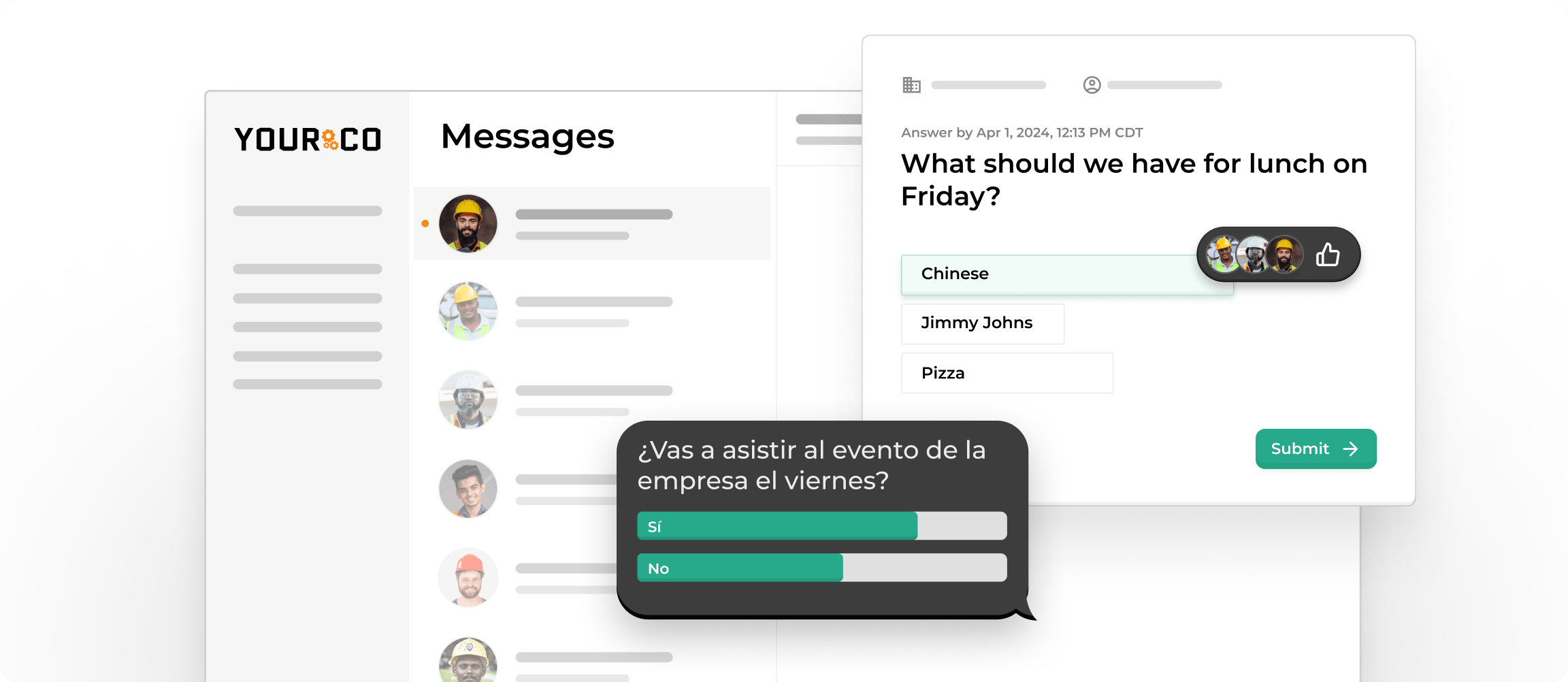
A guest request usually travels from front desk to housekeeping to maintenance and back. Your data should capture how many messages cross departments, average time to acknowledge each request, and common miscommunication patterns. If room-ready notifications reach housekeeping but stall before maintenance, you know exactly where to focus coaching efforts.
Clear routing and quick acknowledgments cut service delays and keep teams aligned, while strong coordination metrics translate directly to smoother stays and better reviews.
Apply Workplace Analytics to Improve Hospitality Efficiency
Numbers only matter when they drive action. Once dashboards reveal patterns, you can make targeted changes that improve each shift and deliver results your teams notice immediately. Here's how to transform data insights into practical improvements:
Reduce Last-Minute Staffing Problems
Attendance patterns make staffing surprises predictable. When Thursday breakfast prep consistently runs short by two cooks, historical data flags the problem days ahead. You can over-hire, cross-train existing staff, or secure volunteer commitments before panic sets in.
Proactive workforce planning protects guest service quality while controlling wage costs and reducing manager stress.
Speed Up Room Turnover and Guest Response Times
Room readiness depends on seamless coordination between housekeeping, maintenance, and the front desk. Monitor average response time to daily task assignments to see exactly where messages stall. When the housekeeping queue sits idle six minutes after each checkout, it’s the communication systems and not cleaning capacity that create the bottleneck.
Prevent Safety Issues by Acting on Trends
Incident logs become actionable when analyzed systematically. When wet-floor slips cluster near the lobby bar every Friday night, analytics highlight a training or equipment gap rather than random accidents. Flagging these hotspots lets you fix lighting, add mats, or refresh safety briefings before someone sustains serious injury.
Simplify Daily Communications Using Response Data
Response data pinpoints exactly which teams leave messages hanging and why. When maintenance answers within two minutes but the restaurant averages twelve, meal service backs up and stress escalates. Message logs help you simplify delivery through shorter texts, clear subject lines, or time-boxed reply expectations.
Make Hospitality Analytics Work at Multi-Location Scale
Running a single hotel keeps you busy. Overseeing ten or fifty properties means every staffing gap, safety issue, and service delay gets multiplied across your portfolio. You need unified numbers that reveal patterns across all sites so you can act before guests notice problems, without drowning in spreadsheets or waiting for overnight reports.
Compare Location Performance Automatically
Effective analytics platforms automatically pull attendance trends, response times, incident counts, and training completion from every property into one dashboard. A few clicks reveal that your Boston airport hotel had a 15 percent jump in call-offs last week while your downtown location remained steady.
When your resort closes 92 percent of maintenance tickets within a day, and a sister property only hits 63 percent, that comparison points to clear coaching opportunities. Share successful processes from high-performing sites and improve results without manual file transfers or complex reporting procedures.
Identify Underperforming Sites Faster
Real-time metrics show you exactly where to focus attention and resources. When a property's training completion drops below 80 percent or message response time creeps past five minutes, automated alerts flag the issue immediately. Set these thresholds once and let the system surface trouble spots even during overnight hours.
Picture a coastal hotel where incomplete safety modules coincide with increased guest injury reports. The connection becomes obvious when both metrics appear on the same screen, enabling you to deploy refresher training or additional supervision before negative reviews accumulate.
Align All Locations on Consistent Standards
Shared data drives brand consistency across your entire portfolio. When every property monitors identical metrics using the same methodology, service standards transform from forgotten documents into daily numbers everyone can see and act upon. Cross-property leaderboards create productive competition while ensuring guests receive the same high-quality experience whether they visit a luxury resort or an airport hotel.
Success stories spread quickly through data, such as a housekeeping process that cuts room-ready time by 6 minutes, helping you roll out proven improvements across every location. Consistent metrics, clear accountability, and immediate feedback keep each site moving toward the same service excellence standards.
Turn Your Hospitality Data into Real-Time Results with Yourco
Hospitality operations demand analytics solutions designed for rotating shifts, high turnover, and multilingual staff. Yourco's SMS platform enables every employee to participate using the phone they already carry, eliminating the technology barriers that plague traditional systems.
Instant text messaging ensures room turnovers, maintenance requests, and guest needs get handled without communication delays. Properties experience measurably faster response times and smoother daily operations across all departments because everyone receives updates the moment you send them.
Automatic translation into 135 languages and dialects means housekeepers, cooks, and engineers all receive identical instructions simultaneously. Tasks keep moving between departments without confusion or delays that impact guest satisfaction, regardless of which languages your teams speak.
Every message receives automatic time-stamps and secure storage for easy access during wage disputes, incident reviews, or safety audits without additional paperwork required from already-busy managers. Built-in text surveys collect team feedback in minutes rather than days, transforming employee input into clear dashboards that reveal trends and opportunities.
Yourco Frontline Intelligence takes this a step further by turning daily communication into real-time operational insights. It analyzes message activity, survey responses, and communication patterns to help leaders spot issues early, compare performance across locations, and understand sentiment inside each department. This gives hospitality teams a clearer view of which shifts are struggling, where service slowdowns begin, and how staff engagement changes over time, all without adding new systems or dashboards for managers to learn.
Try Yourco for free today or schedule a demo and see the difference the right workplace communication solution can make in your company.
Frequently Asked Questions
What workplace analytics metrics matter most for hospitality teams?
Focus on attendance patterns, shift coverage ratios, response times between departments, training completion rates, safety incident trends, employee engagement scores, and cross-department coordination data. These metrics directly impact guest satisfaction and operational costs.
How can small hotels benefit from workplace analytics?
Even a single property gains value from monitoring response times, attendance patterns, and incident reports. Simple dashboards help you spot problems early, improve communication between shifts, and make better staffing decisions without needing a data science team.
What's the fastest way to improve response times in hospitality?
Text-based communication cuts response delays because staff see messages immediately on phones they already carry. Properties that switch from email or bulletin boards to instant messaging typically see response times drop by 30-50 percent within the first month.
How do you measure employee engagement in hospitality?
Monitor survey participation rates, sentiment in feedback responses, shift-swap frequency, and attendance consistency. Quick pulse surveys sent via text generate higher participation than email surveys, giving you more accurate engagement data to act on.


