
Traditional HR reports arrive weeks or months after the fact, telling you turnover spiked or overtime ballooned only after the damage is done. Predictive HR analytics changes this. By analyzing the same attendance logs, shift rosters, and incident reports you already collect, these models can forecast who might quit or which site will be short-staffed next month.
For frontline teams where a single absence can stall a production line or leave a retail counter unmanned, that shift from hindsight to foresight means smoother shifts, safer workplaces, and tighter wage budgets.
Understand What Predictive HR Analytics Means
Picture opening your dashboard and seeing not just yesterday's numbers, but a clear signal that certain crews are likely to lose key people next month. That early heads-up is what predictive HR analytics delivers. It turns past workforce data into future insights so you can act before issues hit operations.
Traditional reports tell you what happened. You learn that turnover was 15 percent last quarter, or absenteeism spiked over the holidays. Predictive analytics flips this around.
By looking at patterns in tenure, shift attendance, engagement scores, and even message response times, it estimates what will happen next. Instead of a rear-view mirror, you get a traffic alert: "Employees with this profile face a 73 percent risk of leaving within six months."
The process is straightforward. Software examines the everyday information you already collect:
- Clock-ins
- Shift swaps
- Safety reports
- Quick surveys
Then it searches for combinations that have previously signaled resignations, no-shows, or incidents. Once a pattern proves reliable, the system applies it to current workers and flags likely outcomes. Since frontline teams create lots of real-time information, these systems learn fast and stay current.
This doesn't replace your judgment or a supervisor's experience. It simply surfaces warning signs sooner, so you can schedule a coaching chat, adjust staffing, or fix a safety issue while there's still time to keep people productive and safe.
Apply Predictive Analytics to Real Frontline Workforce Challenges
These forecasting models transform everyday information you already collect into early warnings you can act on. Once you understand the fundamentals, you can apply this approach to the specific challenges that disrupt your operations most often.
Forecast Turnover Before Resignations Happen
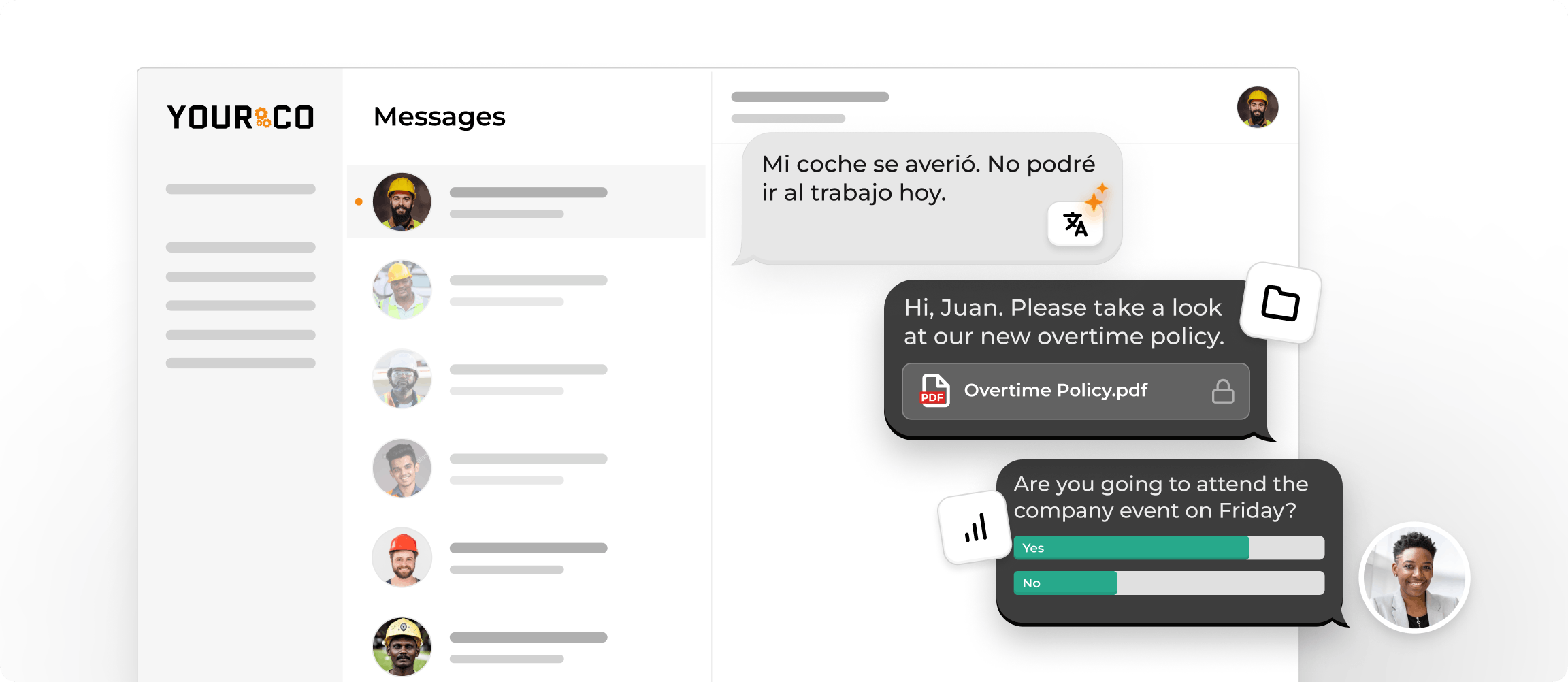
Frontline employees send clear signals before they quit. Falling survey response rates, rising absenteeism, and delayed replies to daily communications all point to someone checking out mentally. SMS makes these patterns easier to spot. With open rates near 98% compared to roughly 20% for email, you're seeing real engagement levels, not just who checks their inbox.
Predictive models flag these patterns weeks before a resignation lands on your desk, giving you time to step in with coaching, role adjustments, or schedule changes before replacement costs pile up.
Anticipate Staffing Gaps and Absenteeism Spikes
Your attendance records show clear patterns. Certain shifts, seasons, or sites always struggle with call-outs. Models trained on these records can predict staffing shortfalls weeks ahead. Add weather information or local events, and the predictions get even sharper.
For you, this means fewer last-minute phone calls, smoother shift swaps, and steadier wage expenses. To see this data in action across every facility, explore our guide to multi-location attendance tracking dashboards that consolidate attendance patterns into one view your predictive models can draw from.
Identify Safety Risks Before Incidents Escalate
Near-miss reports and equipment logs hide patterns that manual review misses. Predictive analytics surfaces these patterns while problems are still small and fixable. Models flag:
- Fatigue-heavy schedules
- Equipment with frequent alerts
- Locations with climbing incident rates
Instead of investigating accidents after they happen, you can schedule maintenance, retrain crews, and adjust rosters before anyone gets hurt. This approach helps you direct safety budgets where they matter most and keeps your team productive and protected. To ensure those near-miss reports actually reach your system in real time, read our guide on how field workers can report safety incidents quickly from any location — the faster the data flows in, the sooner your models can flag emerging risks.
Start Small With the Data You Already Have
You don't need perfect information or expensive software to see your first predictive results. Building on the practical applications we've covered, start with the records you already collect daily: attendance sheets, shift swap requests, and incident reports.
These everyday files reveal clear patterns about who shows up consistently, who starts missing shifts, and when problems typically occur.
To get started:
- Pick one problem: If last-minute absences are disrupting operations, focus there instead of trying to predict turnover, safety issues, and staffing gaps all at once. A narrow focus makes the analysis straightforward and the results clear.
- Clean up the basics: Use consistent job titles, the same location names for each site, and one date format throughout your files. Thirty minutes of standardization now saves hours of confusion later.
- Start small: A simple analysis of last month's attendance patterns can highlight next month's risks faster than complex dashboards no one actually uses.
Get one quick, measurable win, share it with your frontline managers, and you'll earn the support to expand both your information collection and your goals.
Scale Predictive Analytics Across Locations
Start with one proven pilot, then grow step-by-step. Prove your approach works at a single location before rolling it out everywhere. Early wins build credibility and help you refine your methods before scaling.
As you expand, make sure every location uses the same data labels and formats. Standardizing job codes, location names, and date fields might seem tedious, but consistent data lets you compare results across sites without second-guessing the numbers.
You should also set up a centralized dashboard that gives you one clear view across all locations. This helps you spot patterns that individual sites might miss, like weekend absenteeism that seems minor at one warehouse but signals a bigger problem when you see it across ten facilities. Regional managers can still dig into their own metrics while leadership tracks company-wide trends.
Finally, don't try to add every data source at once. Start with one new feed or use case, test its accuracy, then move to the next. Connecting your HRIS and payroll systems first keeps headcount and wages aligned.
You can layer in safety or engagement data later. This steady approach keeps your models reliable and your resources focused where they matter most.
Govern Data Ethically and Build Employee Trust
Your team won't trust workforce analytics if they don't trust how you handle their information. Be upfront about what you collect, why you need it, and how it helps them. When employees understand that attendance patterns help you staff shifts fairly, or that survey responses shape real policy changes, they're far more likely to engage with the process.
Focus your analysis on workplace patterns, not individual workers. Instead of scoring people, look for trends like rising call-outs during night shifts or repeated safety concerns in specific areas.
When you spot something, have real conversations with your teams about what's driving it. Analytics should open discussions, not close them.
Additionally, build fairness into how you collect and manage data. Gather the same information from every location and role, store it securely, and limit access to the managers who actually need it. Assign clear ownership for data quality and employee questions, whether that's HR, legal, IT, or a cross-functional group that includes frontline supervisors.
Remember that your supervisors know the context that analytics can't capture. A "high turnover risk" flag might just be a new parent adjusting to shift work. When you pair data with human judgment, you make better decisions, and employees see that the system is fair, not just automated.
Turn Frontline Communication Into Predictive Intelligence With Yourco
Every text your crew sends through Yourco becomes data you can act on. Shift swap requests, call-outs, safety questions, supply issues; these daily messages add up fast. Instead of letting them sit in an inbox, Yourco turns them into patterns you can see:
- Which locations respond slowly
- Where last-minute declines are climbing
- Which teams might be heading toward burnout
Yourco's Frontline Intelligence surfaces early warning signs before they become operational problems. Dashboards compare response rates, attendance trends, and message activity across all your sites, so you can spot a struggling location and step in before turnover spikes or shifts go unfilled.
Built-in AI translations cover 135+ languages and dialects, ensuring every worker's input is captured, not just those who communicate in English. Because everything runs on plain SMS, every employee with a basic phone stays connected. No apps, no downloads, no training required.
Ready to see these insights in action? Try Yourco for free today or schedule a demo to start using your team's daily conversations for better workforce planning.
Frequently Asked Questions
What is predictive HR analytics?
Predictive HR analytics uses statistical models and machine learning to turn your existing workforce information into forecasts. Rather than just tracking what already happened, it shows you what's likely to come next, like which employees might leave or when you'll face staffing shortages.
How is predictive analytics different from traditional HR reporting?
Traditional reports show you the past: last month's turnover, last quarter's overtime. Predictive analytics looks ahead, combining historical patterns with algorithms to spot risks before they become problems. This lets you address issues early instead of scrambling to fix them later.
What data do I need to start using predictive HR analytics?
You don't need massive amounts of information. Clean attendance logs, time-off records, engagement survey scores, and incident reports give you enough for a solid first model. Quality and consistency in your workforce information matter more than having huge datasets.
How do I use predictive analytics ethically?
Keep your team informed. Explain what information you collect and why, store it securely, and focus on group trends rather than scoring individual employees. Also, setting up an ethics review process and regular bias checks helps maintain trust with your workforce.
Can predictive analytics work for frontline teams?
Absolutely. Frontline teams generate valuable data through time clocks, shift requests, and communication responses, often more real-time signals than office workers produce. The same patterns that predict turnover or absenteeism in any workforce apply here, and SMS-based tools make it easy to collect and act on that information without requiring apps or email access.