Fair pay is no longer a perk. For employers managing non-desk workforces, compensation strategy directly shapes retention, morale, and daily operations. Competitive wages attract skilled workers in high-demand fields like manufacturing, construction, and logistics, but keeping those workers requires more than a paycheck.
Today's workforce expects transparency, flexibility, and communication that meets them where they are. Advanced payroll systems, skills-based pay structures, and real-time feedback tools have moved from nice-to-have to necessary. This guide covers five compensation trends every HR leader should act on now.
TL;DR
- Pay transparency builds trust. Workers who understand how pay is determined feel more confident and engaged.
- Skills-based pay drives growth. Rewarding competencies instead of job titles encourages continuous learning and better task-to-talent matching.
- Economic shifts demand agility. Labor shortages and inflation require flexible compensation structures that adapt quickly.
- Dissatisfaction costs you talent. When pay doesn't match workloads or living costs, turnover rises and productivity drops.
- The gender pay gap still matters. Equitable pay practices strengthen compliance, culture, and retention.
Embrace Pay Transparency and Fairness
Frontline workers are feeling the pressure. According to a 2026 UKG global study of more than 8,000 workers across manufacturing, hospitality, transportation, and logistics, 76% of frontline employees reported burnout, and over half are living paycheck to paycheck. In hospitality alone, 58% said their schedules make it impossible to maintain a healthy lifestyle.
Nearly half of all frontline workers believe their company operates with two separate cultures: one for desk-based staff and another for everyone else. Closing this gap starts with consistent, reliable communication that reaches everyone, not just those with a company email.
Employees want clarity about their compensation. When workers understand how pay decisions are made, trust follows. Research shows that a significant majority of employees feel more confident and secure when pay criteria are clear. Transparent pay practices often lead to higher satisfaction and stronger employee engagement.
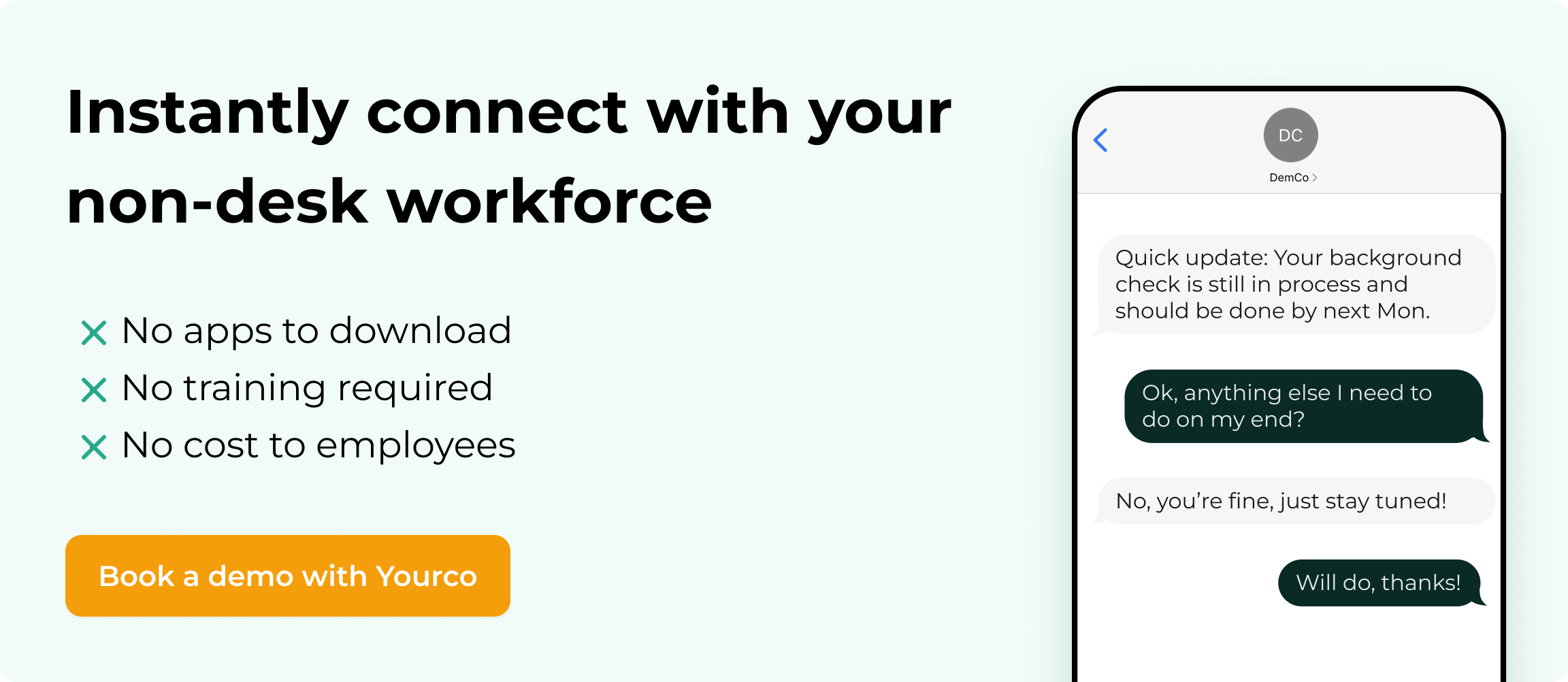
For frontline workers and non-desk teams, transparency becomes even more valuable. Many frontline workers lack regular access to HR portals or company email. Modern payroll platforms that let employees view and understand their payslips on any device, including basic phones, help bridge this gap.
Addressing wage disparities also matters here. Pay transparency ensures everyone receives equitable compensation based on roles and experience, reducing potential biases and supporting compliance with evolving legislation.
Adopt Skills-Based Pay Structures

Traditional role-based wages are giving way to skills-based compensation. This approach values the specific competencies employees bring rather than job titles alone.
Skills-based pay offers clear benefits:
- Encourages learning: When acquiring new skills leads to higher pay, employees invest in their own development.
- Improves productivity: Matching tasks to workers' strengths produces higher-quality outcomes.
- Builds transparency: Clear skill assessments help employees understand their compensation path and growth potential.
For industries facing constant change, the ability to adapt and reskill becomes increasingly valuable. Skills-based compensation builds a resilient organization ready for future challenges while supporting frontline worker benefits that drive retention.
Prepare for Global Economic Shifts
Labor shortages continue pressuring industries that employ non-desk workers. Manufacturing, construction, and logistics employers must offer competitive pay packages to attract and retain scarce skilled talent.
Economic conditions like inflation also require attention. Wages may need adjustments to maintain workers' purchasing power as living costs rise. Meanwhile, technological changes are reshaping some HR processes, though many frontline roles still require hands-on labor that machines cannot replicate.
Expect a shift toward dynamic compensation structures. Traditional annual reviews may give way to continuous performance assessments and real-time wage adjustments. Staying responsive keeps your pay strategy competitive in a changing environment.
Address Employee Dissatisfaction Directly
Employee satisfaction with pay has declined, and ignoring this trend costs money. When compensation doesn't match rising living costs or increased workloads, problems follow:
- Retention drops: Unhappy employees leave, driving up turnover costs.
- Productivity suffers: Feeling undervalued reduces engagement and efficiency.
- Morale spreads: One dissatisfied worker affects the whole team.
Effective onboarding strategies that clearly communicate compensation structures help new hires understand their total value from day one. Some organizations are also enhancing payroll transparency, providing employees access to wages before payday and ensuring clear payslip information.
Close the Gender Pay Gap
Tackling pay equity is both a legal obligation and a business advantage. Ensuring equitable pay practices builds a workplace that values diversity and fairness while meeting requirements like the Equal Pay Act.
Pay transparency supports this goal. When employees can access and understand wage calculations, trust grows. Robust payroll platforms that integrate with HR and time tracking systems ensure compensation stays accurate and fair across all demographics.
Understanding the legal landscape matters here. Changes in labor laws can affect your practices, so staying informed helps align compliance with fairness goals.
Expand Flexible Pay and Earned Wage Access
Wages matter, but when workers get paid now plays a bigger role than many HR teams expect. For blue-collar and hourly workers, waiting two weeks for earned wages can create unnecessary financial stress, especially as living costs rise.
Earned wage access and flexible pay timing give employees controlled access to wages they have already earned. This improves financial stability and reduces anxiety tied to cash flow gaps. For employers, the benefits are:
- Reduced turnover: Workers are less likely to leave over short-term financial pressure.
- Fewer absenteeism spikes: Employees don’t miss shifts to solve urgent money issues.
- Stronger trust: Flexible access signals that the employer understands real-world constraints.
Clear communication matters here. Employees need to understand how early access works, what it doesn’t replace, and how it fits into existing payroll cycles. When explained clearly and delivered through accessible channels, flexible pay becomes a retention lever instead of a source of confusion.
Take Action on Compensation Strategy
Staying ahead of these trends positions your organization to attract and keep top talent. Here's how to move forward:
- Invest in payroll technology that enhances transparency and provides employees easy access to their information.
- Implement dynamic feedback systems using platforms that allow real-time feedback and performance conversations.
- Use workforce analytics to analyze compensation data and make informed decisions.
- Conduct regular pay audits to ensure fair compensation across demographics.
- Personalize compensation packages to meet diverse employee needs and boost satisfaction.
- Monitor compliance by keeping current with labor law changes and using tools to track requirements.
Establish review cycles to regularly compare your compensation against market trends and employee expectations.
Communicate Compensation Clearly with Yourco
Managing compensation communication doesn't have to be complicated. For non-desk workforces, getting pay information into workers' hands requires reaching them where they are, not waiting for them to check email or log into portals they rarely access. After using Yourco for 90 days, companies see two-way employee engagement increase to 86% (Yourco’s internal data).
Yourco is the #1 SMS-based employee app built for the frontline workforce. The platform makes transparent communication simple and accessible for every team member, regardless of their tech-savviness.
Yourco offers:
- Two-way messaging between frontline employees and local managers, with one-way corporate broadcasts for leadership and company-wide updates (Enterprise Bridge)
- Free tier for up to 50 employees, with pilot programs available for Mid-market teams (up to 500 employees) and Enterprise organizations (500+ employees)
- SMS-first approach, no app download or Wi-Fi required
- Works on flip phones and basic mobile devices
- AI-powered translation across 135+ languages and dialects
- Integrates with 240+ HRIS and payroll systems
- AI-powered Frontline Intelligence to detect disengagement and call-off signals, surface safety risks, and support staffing predictions, and deliver actionable reporting
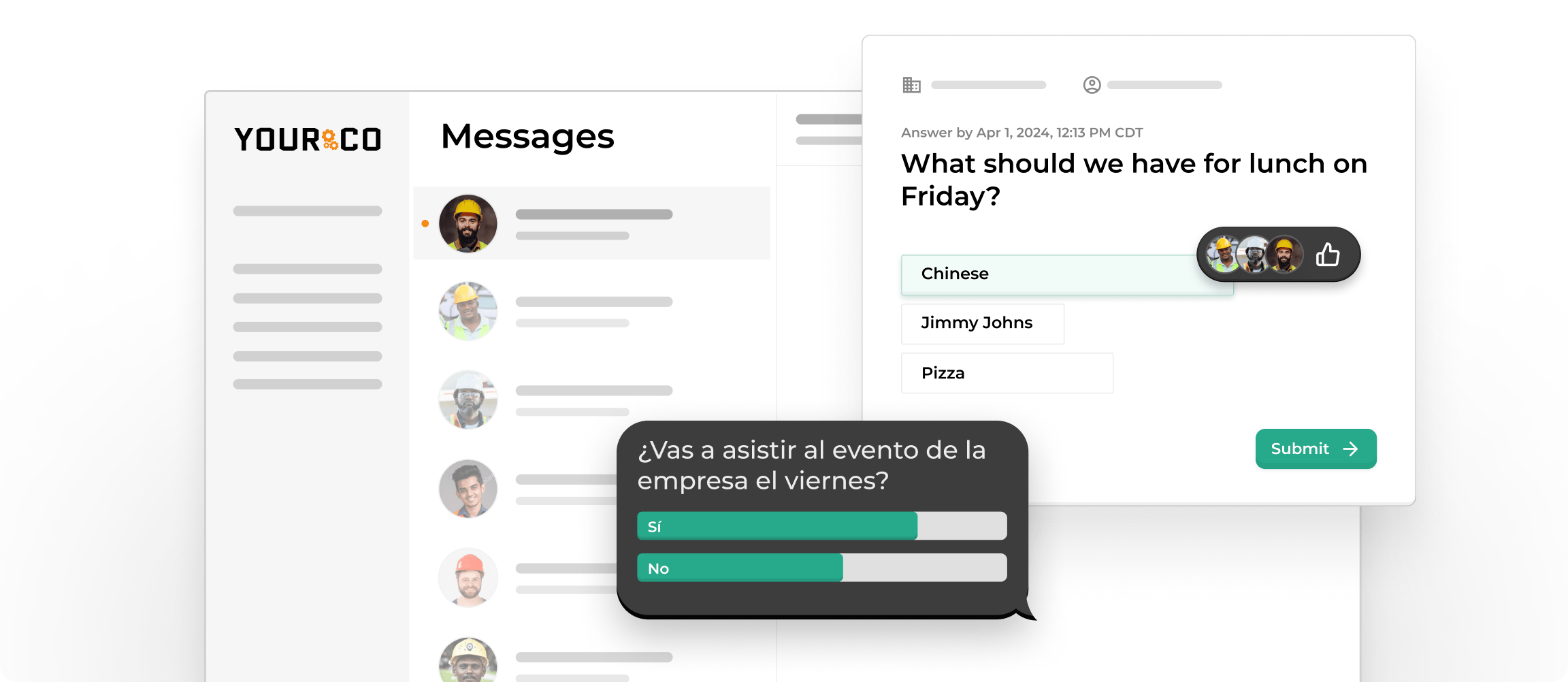
- Surveys and forms to collect real-time employee feedback and workforce data
- Enterprise-grade security and compliance, including SOC 2 compliance and GDPR readiness
By leveraging SMS, a tool everyone already uses, Yourco bridges the communication gap between HR teams and frontline workers. Share wage information, gather employee insights, and keep your team connected without complicated technology.
Try Yourco for free today or schedule a demo and see the difference the right workplace communication solution can make in your company.
Frequently Asked Questions
How does pay transparency improve employee retention?
When employees understand how their pay is determined, they feel more valued and less likely to assume unfairness. Clear compensation criteria reduce speculation and build trust. Organizations with transparent pay practices typically see lower turnover because workers can focus on performance rather than questioning whether they're being treated equitably.
What's the best way to communicate compensation changes to non-desk workers?
SMS reaches non-desk employees where they are. Text messages achieve 98% read rates compared to roughly 20% for email, making them ideal for time-sensitive pay information. An SMS platform lets you share updates about wage changes, benefits enrollment, or payroll schedules directly to workers' phones without requiring apps, internet access, or company email.
How can HR teams address pay dissatisfaction before it leads to turnover?
Start by gathering feedback through quick pulse surveys delivered via text. Track response patterns to identify which teams or locations show declining satisfaction. Address concerns promptly with clear communication about pay decisions, and provide visibility into how wages are calculated. Acting on feedback before frustration builds helps retain valuable workers.